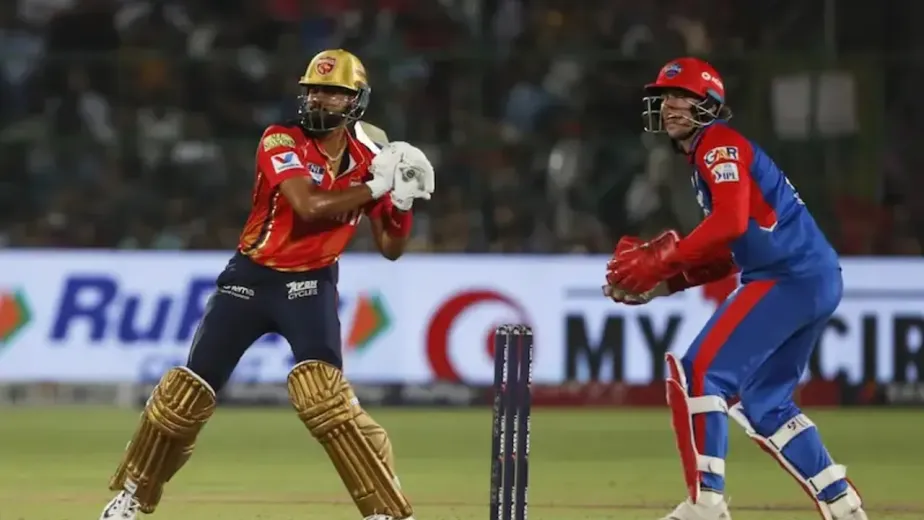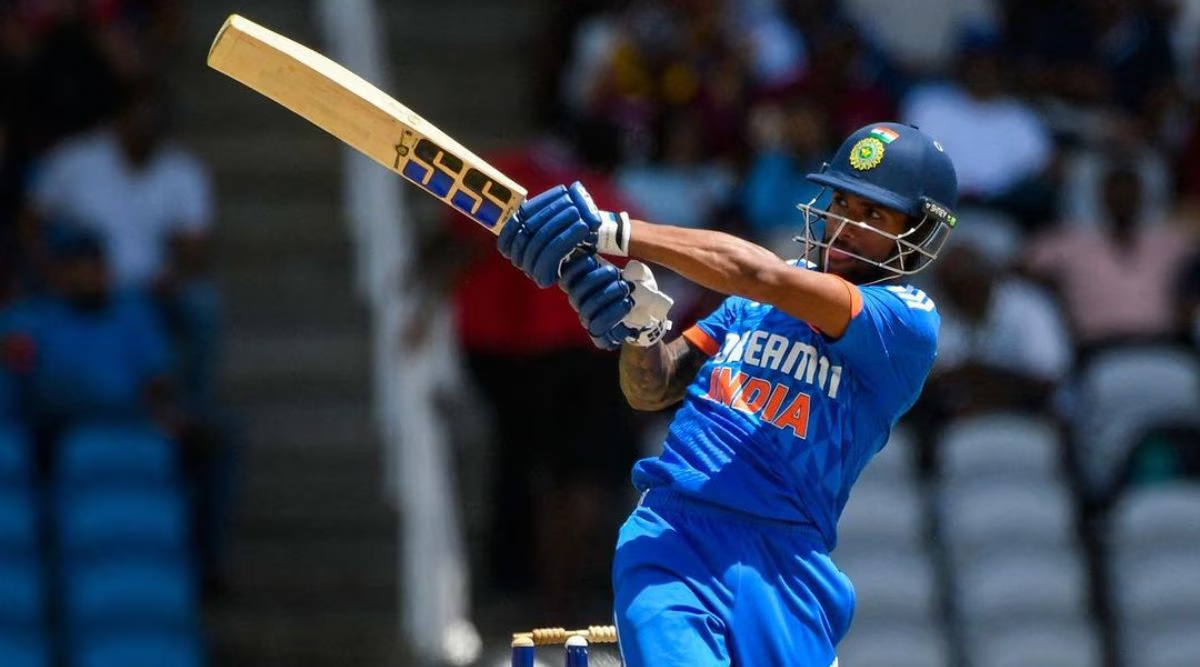
India’s middle order has been under intense scrutiny in 2026 as selectors, analysts and fans seek the ideal balance between power, stability and adaptability in One-Day Internationals (ODIs). With white-ball cricket evolving — shorter boundaries in some venues, heavier emphasis on strike rates, and flexible batting roles — India’s middle-order composition can decide series outcomes and World Cup aspirations. This article analyses current strengths, exposes weaknesses, and proposes practical solutions.
Current composition and strengths
- Experienced anchors: Players with long international exposure provide stability during rebuilding phases (steady strike rotation, situational awareness).
- Finishing firepower: Several batsmen bring high strike rates and finishing instincts, useful in death overs and during run-chases.
- Versatility: Modern middle-order players can switch roles — act as 6th bowling option, bat at different positions, and adapt to match situations.
- Bench depth: A healthy domestic pipeline and IPL performances supply multiple options for selectors.
Key weaknesses
- Inconsistent spot-holders: Rotation and experimentation have left some middle-order roles unsettled, causing lack of clarity in batting order.
- Handling spin in middle overs: Against quality spin attacks on turning tracks, some batters still show technical gaps leading to collapses.
- Pressure batting in high-stakes chases: A few players struggle to maintain composure under required-run-rate surges, leading to early wickets or panic hitting.
- Left-right continuity and matchup planning: Occasional poor sequencing of batters reduces effectiveness against specific bowlers.
- Impact vs. consolidation trade-off: Players often lean too heavily toward either anchor or pure hitter roles, limiting flexibility.
Tactical and selection solutions
- Define roles clearly: Assign primary and secondary roles (anchor, accelerator, finisher) for each middle-order player to reduce confusion during matches.
- Role-specific training camps: Short camps focused on playing spin, strike rotation under pressure, and death-over finishing drills.
- Data-driven matchups: Use granular analytics (bowling repertoires, length maps, pitch histories) to set batting sequences tailored to opposition attack.
- Mental conditioning: Sports psychologists and scenario-based simulations to cultivate composure during high-pressure chases.
- Rotation policy with continuity: Rotate squad but keep a core trio/quartet for stability; use previews to signal intended batting positions.
- Promote multi-format specialists: Select players with proven ODI records rather than purely T20 or Test specialists unless role justifies it.
Tactical innovations for match day
- Overlap planning: Keep a left-hander/right-hander alternation when possible to disrupt bowling lines.
- Finish-first overs: Designate an “impact over” where accelerator aims to maximize scoring while others ensure strike retention.
- Bowling-counter specialists: If facing heavy spin, send an extra batter with a strong spin-play record to preempt middle-over collapses.
- Flexible batting order card: Provide captains with two contingency orders depending on powerplay and early wicket scenarios.
Development pipeline and bench strength
- IPL as laboratory: Continuously evaluate IPL middle-order performers for temperament and finishing ability in high-pressure matches.
- A-team tours in similar conditions: Expose bench players to subcontinental spin and foreign quicks to build experience.
- Domestic spin academies: Invest in training that simulates turning wickets and provides ball-by-ball feedback.
Illustrative scenarios
- Scenario A (chase of 320): Early wickets fall; a designated anchor consolidates from 20-40 overs while finishers prepare for final 10-over assault. Data suggests sending the power-hitter at 34th over to exploit specific bowler matchup.
- Scenario B (batting first on turning track): Two middle-order batters with spin proficiency prioritized to bat higher, reducing collapse risk in 15–35 over window.
Metrics to monitor
- Strike rotation rate (runs per dot ball) in 10–40 overs.
- Boundary conversion percentage under pressure (runs per boundary faced).
- Win contribution index combining score context, strike rate and wickets lost.
- Match-impact percentage for designated finishers (impact on final 10 overs).
Conclusion
India’s ODI middle order in 2026 has the raw talent and strategic options to dominate, but success requires clearer role definitions, targeted skill development (especially against spin), and smarter use of analytics to craft batting orders. With disciplined selection and focused training, the middle order can become the consistent engine that powers India in ODIs.
If you follow cricket betting and want curated odds, expert previews and in-depth match analysis, check out Sky247 Cricket for latest markets and insights.