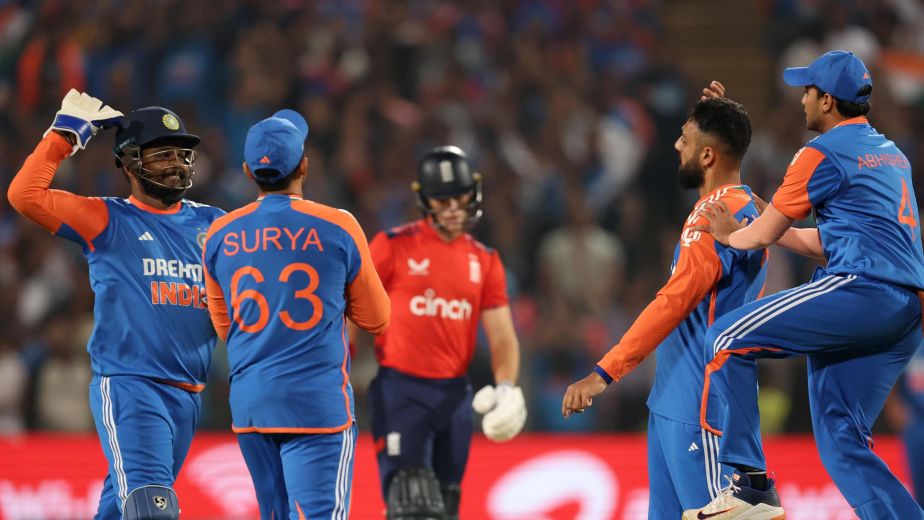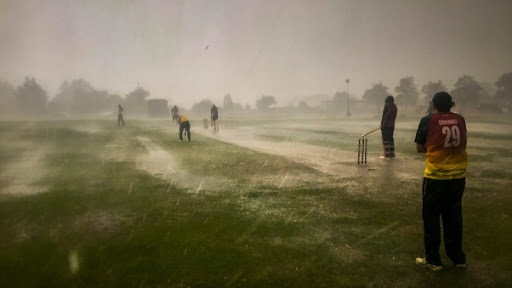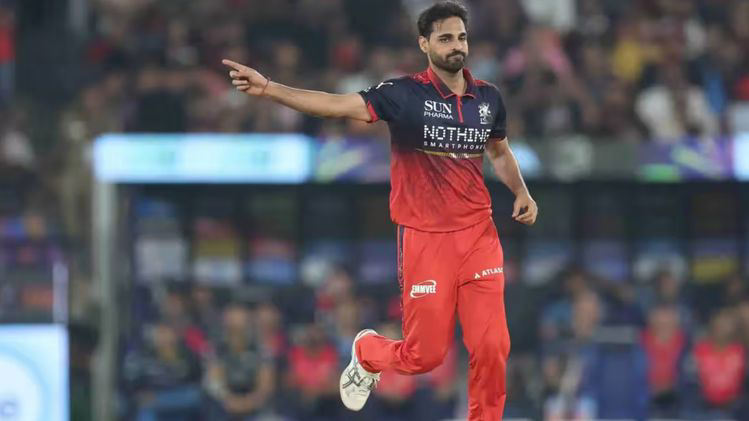
The IPL is a two-month adrenaline rush — 14 league matches, playoffs, travel, training, and the relentless pressure of performing in front of packed stadiums. When the final ball is bowled, the body of a cricketer is screaming for attention. But here’s the problem: the international calendar doesn’t pause. Within days or weeks of the IPL ending, players report for national duty — Test tours, ODI series, and T20I commitments that demand a different kind of fitness. Managing the post-IPL transition is not just about rest; it’s about intelligent workload management, targeted recovery, and rebuilding the body for the format ahead. Whether you’re a professional dreaming of the Indian jersey or a club cricketer who played intense T20 leagues through the summer, these fitness and recovery tips will help you emerge stronger for the season ahead. And with Sky247 Cricket, you can follow every match of the international season while keeping your own game on track.
1. The Hidden Toll of the IPL: More Than Just Fatigue
The IPL schedule is brutal. Matches every alternate day, constant air travel, irregular sleep patterns, and the explosive nature of T20 cricket — short sprints, maximal power hitting, and high-intensity fielding — create a unique physical stress profile.
What happens to the body during an IPL season:
- Muscular fatigue and micro-tears: Repeated sprinting, diving, and throwing cause micro-damage that accumulates over weeks. If not properly addressed, this leads to strains and tears in the following months.
- Joint stress: Fast bowlers’ knees, ankles, and lower backs take a pounding. Batsmen’s wrists and elbows endure high-impact forces from power hitting. Wicketkeepers experience hip and knee stress from constant squatting.
- Dehydration and electrolyte imbalance: Playing in Indian summer heat — often with humidity — depletes electrolytes faster than players can replenish.
- Sleep debt: Late finishes, early flights, and the adrenaline of night matches disrupt circadian rhythms. Sleep is when the body repairs; without it, recovery stalls.
- Mental fatigue: The pressure of performing every game, dealing with media, and being away from family accumulates. Mental fatigue manifests physically — slower reaction times, reduced coordination, and increased injury risk.
Post-IPL recovery must address all of these dimensions, not just muscle soreness.
2. Phase 1: The First 72 Hours — Active Recovery and Replenishment
The immediate period after the final match is critical. The instinct might be to do nothing, but complete rest can sometimes stiffen the body further.
Active recovery (days 1-3):
- Low-impact movement: Swimming, light cycling, or walking for 20-30 minutes promotes blood flow without stressing joints. This flushes out metabolic waste products (lactate, creatine kinase) accumulated during the tournament.
- Stretching and mobility: Focus on dynamic stretching and mobility drills for the hips, thoracic spine, and shoulders. Tight hip flexors from sprinting and tight lats from bowling/throwing need attention.
- Foam rolling and self-myofascial release: Spend 15-20 minutes daily on a foam roller targeting calves, hamstrings, quadriceps, glutes, and the upper back. This reduces muscle soreness and improves tissue quality.
Nutrition in the first 72 hours:
- Rehydrate aggressively: Water alone isn’t enough. Add electrolytes (sodium, potassium, magnesium) and consume coconut water, fresh fruit juices, and soups.
- Anti-inflammatory foods: Turmeric, ginger, berries, fatty fish (salmon, mackerel), nuts, and seeds help calm systemic inflammation. A turmeric latte (haldi doodh) in the evening is both restorative and sleep-promoting.
- Protein for repair: Aim for 1.8-2.0 grams of protein per kilogram of body weight. Eggs, lean chicken, fish, paneer, tofu, and whey protein are easily digestible sources.
- Carbohydrates for glycogen restoration: After weeks of depletion, the body needs to replenish glycogen stores. Sweet potatoes, brown rice, oats, and fruits like bananas and mangoes help.
Sleep priority:
- For the first 3-5 nights, aim for 9-10 hours of sleep. The body releases growth hormone during deep sleep, which is essential for tissue repair. Blackout curtains, no screens 60 minutes before bed, and a consistent sleep schedule accelerate recovery.
3. Phase 2: The Rebuilding Phase — Strength, Conditioning and Injury Prevention
After the acute recovery phase (approximately days 4-14), the focus shifts from rest to rebuilding. This is where long-term durability is built.
Strength training:
- Reintroduce resistance gradually. Start with bodyweight exercises (squats, lunges, push-ups, planks) and progress to light dumbbells and resistance bands.
- Correct imbalances: The IPL often creates asymmetries — a bowler might have a stronger dominant side, a batsman tighter hip flexors on the front leg. A good physio or strength coach can assess and prescribe corrective exercises.
- Core and glute activation: A strong core protects the lower back, and strong glutes power sprinting and prevent hamstring injuries. Incorporate planks, side planks, glute bridges, and clamshells into every session.
- Eccentric loading for fast bowlers: Bowlers are especially vulnerable post-tournament. Eccentric hamstring exercises (Nordic curls, Romanian deadlifts) and shoulder stability work (rotator cuff bands) are non-negotiable.
Cardiovascular reconditioning:
- Base building: After the high-intensity demands of T20, shift to longer, slower aerobic work. Cycling, swimming, or jogging at a conversational pace for 30-45 minutes builds an aerobic base that aids recovery between high-intensity efforts in longer formats.
- Interval training (gradually): After a couple of weeks, reintroduce sprint intervals — but at 70-80% intensity, not 100%. This retrains the body to handle high speeds without breaking down.
Mobility and flexibility:
- Yoga is a powerful tool post-IPL. It combines mobility, strength, and breathwork. Poses like downward dog, cobra, pigeon pose, and spinal twists address common tightness patterns in cricketers.
- Pilates is another excellent option for core strength and controlled movement.
Mental recovery:
- Take a complete mental break from cricket for at least a week. No analysis of dismissals, no net sessions. Engage in hobbies, spend time with family, travel somewhere relaxing.
- Mindfulness and meditation — 10 minutes daily — reduce cortisol levels and improve focus for when training resumes.
4. Format-Specific Preparation: Transitioning from T20 to Tests or ODIs
The type of international cricket after the IPL dictates how you tailor your training.
If preparing for Test matches:
- Volume over intensity: Test cricket demands endurance — long days in the field, batting for sessions, bowling 20+ overs. Increase training volume (longer batting sessions, more overs in practice) and focus on stamina.
- Bone density and tendon strength: Fast bowlers especially need time to adapt their bodies for the rigors of multi-day cricket. Gradual overload, good nutrition (calcium, vitamin D), and patience are key.
- Mental patience: Practice concentration drills — long net sessions where the focus is on leaving balls, defending, and batting time, not scoring.
If preparing for ODIs:
- Balance endurance and power: ODIs sit between T20 explosiveness and Test endurance. Training should blend moderate-intensity cardio with power-hitting sessions and fielding drills.
- Middle-over skills: Work on rotating strike, building partnerships, and bowling wicket-to-wicket with subtle variations.
If preparing for another T20I series:
- Maintain explosiveness but prioritize recovery: Short-turnaround T20s mean the body never fully recovers. Between series, the focus is on maintenance, injury prevention, and sharpness. Plyometrics, short sprints, and net sessions at high intensity but limited volume.
5. Nutrition for the Transition Phase
Post-IPL nutrition shifts from “fuel for performance” to “nourishment for repair and rebuilding.”
- Anti-inflammatory diet (continued): Omega-3 fatty acids (fish oil, flaxseeds), vitamin C (citrus, bell peppers, amla), and zinc (pumpkin seeds, chickpeas, eggs) support tissue repair and immunity.
- Hydration discipline: Even off the field, maintain 3-4 liters of water daily. Add electrolyte tablets if training in heat.
- Supplements to consider (under professional guidance):
- Magnesium: For muscle relaxation and sleep quality.
- Vitamin D3: If blood levels are low; critical for bone health and immune function.
- Protein supplements: Whey or plant-based, to meet elevated protein needs during rebuilding.
- Curcumin (turmeric extract): Potent anti-inflammatory for joint health.
- Probiotics: Gut health often suffers during travel and stress; a good probiotic aids digestion and nutrient absorption.
6. The Role of Sky247 Cricket in Your Post-IPL Journey
While you’re recovering or training, the cricketing world doesn’t stop. The international season post-IPL is packed with action — India’s tours, the Women’s T20 World Cup, bilateral series, and more. Sky247 Cricket keeps you connected to the game you love, whether you’re on the couch recovering or in transit to your next camp.
How Sky247 Cricket complements your post-IPL experience:
- Live match streaming and scores: Follow every international match as teams transition from IPL mode to national duty.
- Fantasy cricket: Build teams for Test matches, ODIs, and T20Is. The analytical thinking required for fantasy keeps your cricketing brain sharp without physical exertion.
- Expert analysis and fitness insights: Sky247’s blog and app content feature fitness tips, recovery guides, and player workload management strategies.
- Betting and engagement (optional): For fans who enjoy a flutter, Sky247 offers competitive odds on international matches. But remember — gambling should always be responsible entertainment, not a coping mechanism for post-tournament blues. Set limits, never chase losses, and prioritize your mental and physical health above all.
The period after the IPL is not a void — it’s an opportunity. It’s a window to heal, rebuild, and come back stronger. By respecting the body’s need for active recovery, targeted nutrition, progressive training, and mental rest, cricketers can extend their careers and improve their performance in the formats that follow. Whether you’re a professional cricketer managing a relentless schedule or a passionate club player balancing cricket with work, these tips will help you transition smoothly from the high-octane IPL to the demands of the international season.
Take care of your body, stay connected to the game through platforms like Sky247 Cricket, and remember: the best players are not those who play the most, but those who recover the smartest.