This educational guide explains the science behind swing bowling in cricket, covering conventional swing, reverse swing, seam position, wrist alignment, ball maintenance, weather conditions, biomechanics, sports science, and coaching tips. The article is intended for educational purposes and helps cricket fans and aspiring fast bowlers understand one of the sport’s most fascinating skills.
Swing bowling has long been one of cricket’s greatest arts. Watching a fast bowler make the ball curve through the air before beating a batter’s defence is one of the most exciting moments in the game. Legends from India and around the world have demonstrated how movement through the air can be just as dangerous as raw pace.
Although swing bowling may appear mysterious, it is rooted in physics, biomechanics, and precise technique. Understanding how it works gives players and fans a deeper appreciation of fast bowling in modern cricket.
This guide explores the science behind swing bowling and explains why it remains one of the most valuable skills across Test cricket, ODIs, and T20s.
What Is Swing Bowling?
Swing bowling occurs when the cricket ball changes direction while travelling through the air before reaching the batter.
Unlike seam movement, which occurs after the ball pitches, swing happens during flight.
Swing can move:
- Away from the batter.
- Into the batter.
Even a small amount of movement can create wicket-taking opportunities.
Conventional Swing
Conventional swing is most common with a relatively new cricket ball.
Key factors include:
- Upright seam position.
- Smooth wrist alignment.
- One shiny side.
- Moderate bowling speeds.
Proper technique allows bowlers to maximise natural airflow around the ball.
Reverse Swing
Reverse swing generally becomes possible once the ball is older.
Characteristics include:
- Higher bowling speeds.
- Greater contrast between the shiny and rough sides.
- Late movement.
- Difficult reading for batters.
Reverse swing has played a major role in many memorable international matches.
Why the Shiny Side Matters
Players legally maintain one side of the ball by polishing it with sweat or permitted methods under the current Laws of Cricket.
The difference between the two sides affects airflow and contributes to swing movement.
Ball maintenance has therefore become an important tactical element for fielding teams.
Seam Position
The seam acts as a guide for airflow.
Fast bowlers aim to keep the seam:
- Upright.
- Stable.
- Pointing towards the intended direction of movement.
A consistent seam position improves the likelihood of controlled swing.
Wrist Alignment
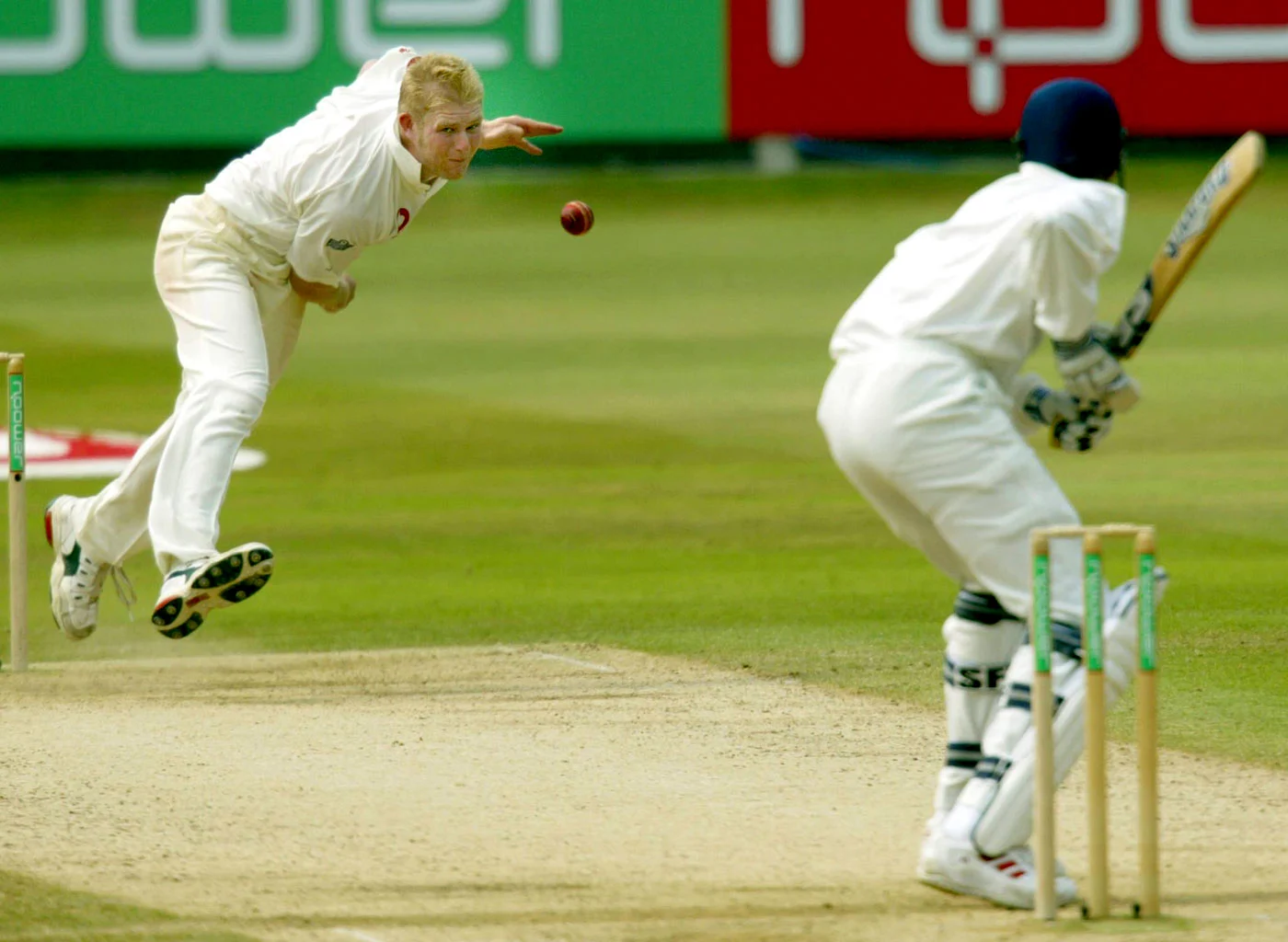
The wrist is one of the most important technical components of swing bowling.
An effective release generally involves:
- A strong wrist.
- Straight alignment.
- Smooth follow-through.
- Consistent release point.
Small wrist adjustments can significantly influence ball movement.
Speed and Swing
Contrary to popular belief, faster is not always better.
Different swing types occur at different speed ranges.
Elite bowlers learn to combine:
- Pace.
- Accuracy.
- Seam control.
- Consistency.
Rather than relying solely on maximum speed.
Weather Conditions
Environmental factors can influence swing.
These include:
- Humidity.
- Cloud cover.
- Wind direction.
- Air temperature.
However, technique remains the most important factor regardless of conditions.
Swing Bowling Across Formats
Different formats require different approaches.
Test Cricket
Swing bowlers often focus on patience and long spells.
Building pressure through consistent lines can eventually create mistakes.
One-Day Internationals
ODIs require balancing attacking swing with economical bowling.
Powerplays often provide opportunities to exploit the new ball.
T20 Cricket
Swing remains valuable during the opening overs.
Early wickets can dramatically influence the outcome of short-format matches.
Training for Swing Bowling
Fast bowlers develop swing through repetitive practice.
Training commonly includes:
- Seam release drills.
- Wrist strengthening.
- Accuracy targets.
- Video analysis.
- Bowling rhythm exercises.
Consistency is built over time rather than through quick adjustments.
Sports Science
Modern fast bowling increasingly incorporates sports science.
Teams analyse:
- Release angles.
- Ball tracking.
- Wrist mechanics.
- Shoulder movement.
- Load management.
This information helps bowlers refine technique while reducing injury risk.
Common Mistakes
Aspiring swing bowlers often make several technical errors.
Examples include:
- Weak wrist position.
- Inconsistent seam presentation.
- Overstriding.
- Chasing excessive pace.
- Ignoring accuracy.
Mastering fundamentals usually produces better long-term results.
Technology in Fast Bowling
Technology continues transforming bowling development.
Today’s coaching methods include:
- High-speed cameras.
- Motion analysis.
- Wearable sensors.
- AI-assisted performance analysis.
- Bowling workload monitoring.
These tools complement traditional coaching methods.
The Future of Swing Bowling
Several trends are shaping fast bowling development.
Better Performance Analysis
Coaches now identify technical improvements using detailed biomechanical data.
Smarter Training
Individualised coaching plans help bowlers maximise their strengths.
Improved Recovery
Sports science supports better recovery between matches and training sessions.
Youth Development
Young fast bowlers increasingly receive structured technical coaching from an earlier age.
Conclusion
Swing bowling remains one of cricket’s most skilful disciplines. While advances in sports science and technology have improved coaching methods, success still depends on mastering the fundamentals: seam position, wrist alignment, rhythm, accuracy, and patience.
Whether watching international cricket or developing as a fast bowler, understanding the science behind swing provides a greater appreciation of one of the game’s most fascinating skills.