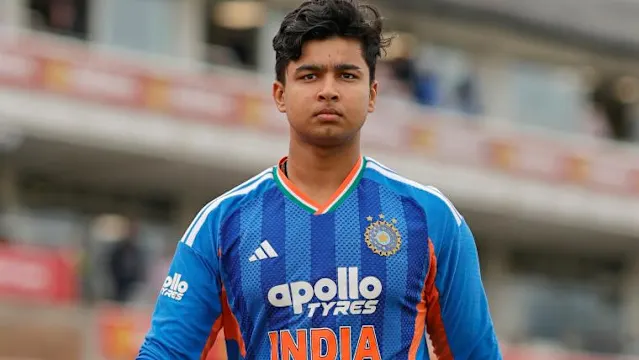
This educational article explores the evolution of spin bowling in Indian cricket through 2026. It examines the history of Indian spin, the different types of spin bowling, tactical applications across Test, ODI, and T20 formats, sports science, analytics, modern coaching methods, and the future of spin bowling. The content is intended for cricket fans, aspiring bowlers, coaches, and students of the game.
India has long been regarded as one of the world’s greatest producers of spin bowlers. From legendary finger spinners who dominated Test cricket to modern wrist spinners thriving in T20 leagues, spin has remained one of the country’s greatest cricketing strengths.
While batting often captures the headlines, India’s success across formats has frequently been built on intelligent, disciplined, and highly skilled spin bowling.
This guide explores how spin bowling has evolved over the decades, why it remains so effective, and what aspiring cricketers can learn from India’s rich spin-bowling tradition.
Why Spin Bowling Is So Important
Unlike fast bowling, spin relies more on deception than pace.
Elite spinners aim to outsmart batters through:
- Flight.
- Drift.
- Turn.
- Bounce.
- Variation.
- Accuracy.
These qualities make spin effective even against aggressive modern batting.
The Different Types of Spin Bowling
Spin bowling generally falls into two major categories.
Finger Spin
Includes:
- Off-spin.
- Left-arm orthodox spin.
Finger spinners rely primarily on finger action to generate rotation and control.
Wrist Spin
Includes:
- Leg-spin.
- Left-arm wrist spin (chinaman).
Wrist spinners often generate greater turn and possess a wider range of variations.
The Art of Flight
One of the defining characteristics of great spin bowling is flight.
Well-flighted deliveries can:
- Tempt attacking shots.
- Change a batter’s timing.
- Create catching opportunities.
- Force errors in footwork.
Flight is about deception rather than simply bowling slower.
Drift and Dip
Modern spin bowlers also use aerodynamic movement.
Drift refers to sideways movement through the air before pitching.
Dip causes the ball to drop more sharply than expected.
These subtle movements make quality spin difficult to read.
Variations That Challenge Batters
Successful spinners rarely rely on a single delivery.
Common variations include:
- Arm ball.
- Doosra (where applicable).
- Carrom ball.
- Googly.
- Top-spinner.
- Slider.
Using variations strategically prevents batters from settling.
Spin Bowling Across Formats
Each format requires a slightly different approach.
Test Cricket
Focuses on:
- Patience.
- Long spells.
- Building pressure.
- Consistent line and length.
One-Day Cricket
Requires:
- Dot-ball pressure.
- Smart field placements.
- Middle-over wicket-taking.
T20 Cricket
Emphasizes:
- Variation.
- Quick decision-making.
- Defensive lines.
- Reading batter intent.
Modern spinners must adapt quickly between formats.
The Importance of Field Placements
A spinner’s effectiveness depends heavily on field settings.
Captains often position fielders to:
- Encourage risky shots.
- Protect boundaries.
- Create catching opportunities.
- Build psychological pressure.
Bowling plans and field placements always work together.
Sports Science and Spin Bowling
Technology has transformed player development.
Training now incorporates:
- Motion analysis.
- Video review.
- Workload monitoring.
- Flexibility assessments.
- Biomechanical evaluation.
These tools help improve both performance and injury prevention.
Data Analytics in Modern Cricket
Teams increasingly rely on performance data.
Analysts evaluate:
- Economy rate.
- Dot-ball percentage.
- Dismissal patterns.
- Preferred bowling lengths.
- Batter weaknesses.
Data complements traditional coaching rather than replacing it.
Mental Skills of Elite Spinners
Great spin bowlers possess strong mental discipline.
Important qualities include:
- Patience.
- Confidence.
- Tactical awareness.
- Adaptability.
- Resilience after boundaries.
Maintaining composure often proves just as valuable as technical ability.
Training Tips for Young Spin Bowlers
Developing players should focus on:
- Consistent action.
- Control before variation.
- Strong fitness.
- Finger and wrist strength.
- Match awareness.
Mastering fundamentals creates a foundation for advanced skills later.
Common Mistakes
Young spinners often make similar errors.
Examples include:
- Trying too many variations.
- Bowling too quickly.
- Ignoring field settings.
- Sacrificing accuracy for turn.
- Becoming predictable.
Correcting these habits leads to greater consistency.
The Future of Spin Bowling
Several trends continue shaping spin bowling in 2026.
Smarter Coaching
Technology provides more personalized technical feedback.
Better Analytics
Teams identify batter tendencies with greater precision.
Multi-Skilled Cricketers
Modern players increasingly contribute as batters, fielders, and bowlers.
Continued Innovation
New grips, tactical approaches, and training methods continue expanding the possibilities of spin bowling.
Conclusion
Spin bowling remains one of Indian cricket’s greatest strengths, combining technical skill, tactical intelligence, and creativity. From classical finger spinners to modern all-format specialists, India’s tradition of producing world-class spin bowlers continues to influence cricket around the globe.
As sports science, analytics, and coaching methods evolve, future generations of Indian spinners will have even greater opportunities to refine their craft while preserving the artistry that has defined spin bowling for decades.