This educational guide explains how Indian cricket enthusiasts can improve their game through proper equipment selection, effective training routines, skill development, fitness, nutrition, recovery, and mental preparation. It covers choosing bats, gloves, pads, shoes, protective gear, practice drills, strength training, fielding techniques, bowling mechanics, and responsible equipment maintenance. The content is intended for amateur and recreational cricketers.
Cricket is deeply woven into India’s sporting culture, inspiring millions of fans to pick up a bat and ball every year. Whether you’re playing weekend matches with friends, representing your local club, or practicing at school or college, improving your skills requires more than natural talent. The right equipment, structured practice, and consistent training habits can make a significant difference.
Modern cricket has become faster, more athletic, and increasingly data-driven. Players at every level now benefit from better coaching methods, advanced fitness programs, and improved equipment technology.
This guide explores the essential gear every player should consider and practical training tips to help Indian cricketers continue developing their game in 2026.
Choosing the Right Cricket Bat
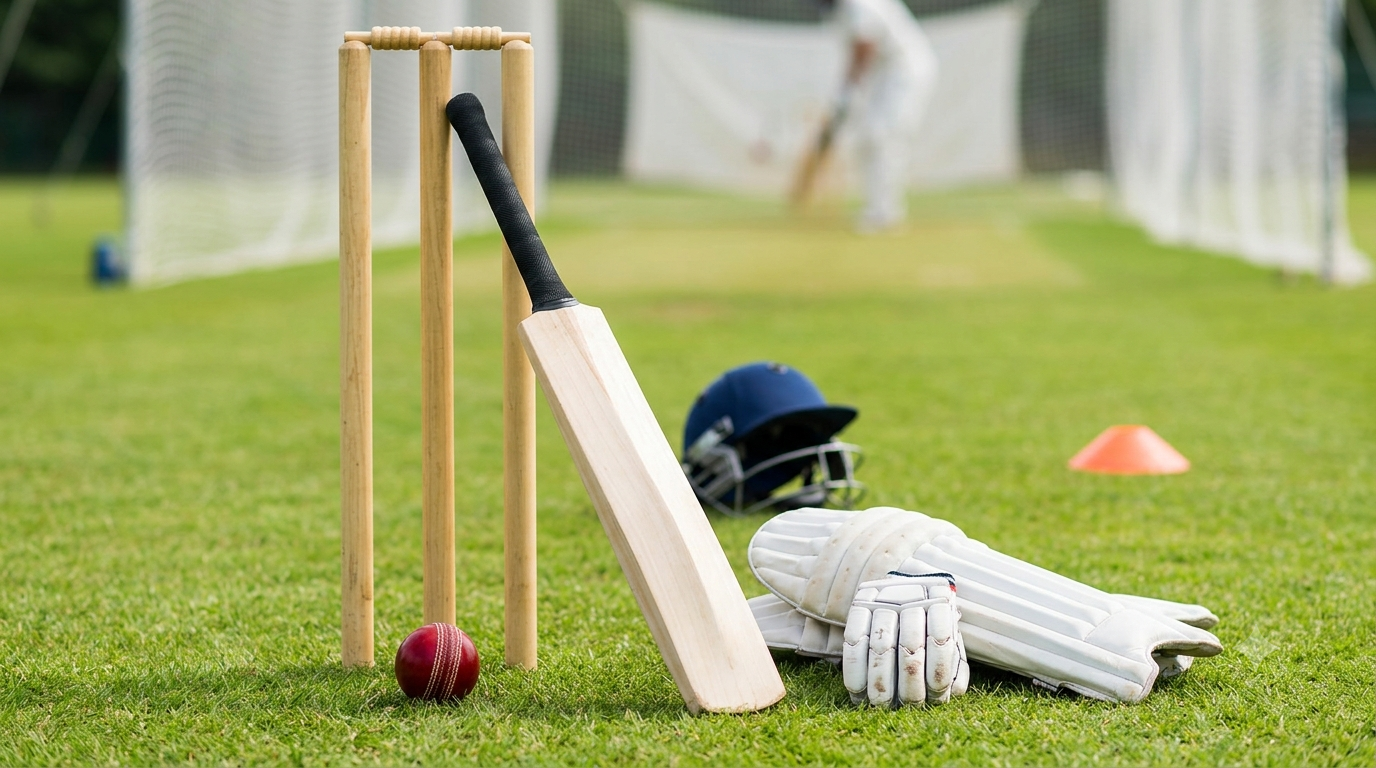
A cricket bat is the most personal piece of equipment a player owns.
When selecting a bat, consider:
- Weight and balance
- Willow quality
- Handle type
- Blade profile
- Playing style
A lighter bat may improve bat speed, while a heavier bat can generate more power for experienced players.
Always choose a bat that feels comfortable rather than simply following professional trends.
Cricket Balls for Practice
Different practice sessions require different types of balls.
Common options include:
- Leather cricket balls
- Tennis balls
- Soft practice balls
- Training balls
- Wind balls
Leather balls are ideal for match preparation, while softer alternatives help beginners develop technique safely.
Batting Gloves Matter
Good batting gloves should provide:
- Strong grip
- Finger protection
- Comfortable fit
- Breathability
- Wrist support
Well-fitted gloves improve confidence while facing faster bowling.
Protective Equipment Is Essential
Safety should never be compromised.
Every player should wear:
- Helmet
- Batting pads
- Thigh guard
- Arm guard (when appropriate)
- Abdominal guard
- Chest guard (if required)
Quality protective gear allows players to focus fully on their performance.
Selecting Cricket Shoes
Different playing surfaces require different footwear.
Look for shoes offering:
- Excellent grip
- Cushioning
- Stability
- Durable outsoles
- Comfortable ankle support
Fast bowlers and batters often have different footwear requirements.
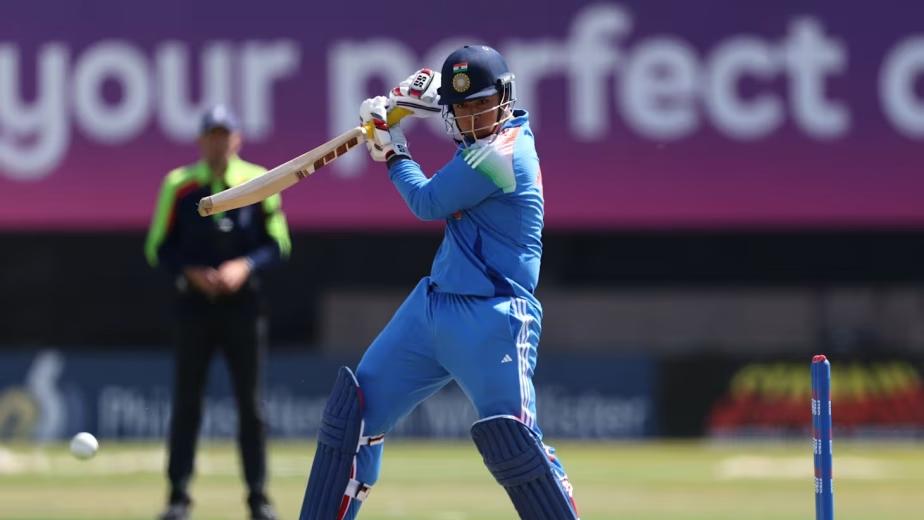
Improve Batting Technique
Consistent batting improvement comes from mastering fundamentals.
Focus on:
Footwork
Strong movement helps players adjust to different deliveries.
Balance
Maintaining balance improves timing and shot selection.
Head Position
Keeping the head still allows better judgment of line and length.
Shot Selection
Choosing the appropriate shot is often more important than attempting aggressive strokes.
Bowling Training Tips
Whether you’re a fast bowler or spinner, consistency is crucial.
Practice areas include:
- Run-up rhythm
- Seam position
- Release point
- Accuracy
- Bowling variations
Regular repetition helps build muscle memory.
Fielding Wins Matches
Modern cricket places enormous importance on fielding.
Practice:
- Catching drills
- Ground fielding
- Throwing accuracy
- Reaction speed
- Direct-hit practice
Good fielders regularly influence close matches.
Fitness for Cricket
Physical conditioning supports every aspect of performance.
A balanced program should include:
Strength Training
Develop power for batting, bowling, and throwing.
Cardiovascular Fitness
Improve endurance for longer matches.
Speed Training
Increase sprint performance between wickets.
Mobility
Flexible athletes often move more efficiently and reduce injury risk.
Nutrition for Amateur Cricketers
Proper nutrition supports both training and recovery.
Focus on:
- Lean protein
- Complex carbohydrates
- Healthy fats
- Fruits and vegetables
- Adequate hydration
Nutrition should be adjusted according to training intensity and match schedules.
Recovery Is Part of Training
Performance improves during recovery as well as practice.
Helpful recovery habits include:
- Quality sleep
- Stretching
- Active recovery sessions
- Hydration
- Rest days
Ignoring recovery may increase fatigue and injury risk.
Practice with Purpose
Rather than spending hours repeating the same drills, structure practice sessions around specific goals.
Examples include:
- Playing spin bowling.
- Improving cover drives.
- Bowling yorkers.
- Catching high balls.
- Running between wickets.
Targeted practice often produces faster improvement.
Mental Preparation
Cricket challenges players mentally as much as physically.
Develop habits such as:
- Staying patient.
- Managing pressure.
- Learning from mistakes.
- Maintaining concentration.
- Following routines.
Confidence grows through preparation rather than results alone.
Technology in Cricket Training
Modern players increasingly use technology to improve.
Popular tools include:
- Video analysis
- Bowling machines
- Bat sensors
- Performance tracking apps
- Wearable fitness devices
These tools provide valuable feedback but should complement—not replace—quality coaching.
Artificial Intelligence in Coaching
AI-powered software now assists coaches by:
- Analyzing batting mechanics.
- Tracking bowling consistency.
- Measuring workload.
- Comparing player statistics.
- Identifying technical patterns.
Technology helps accelerate learning while leaving decision-making to coaches and players.
Common Mistakes Beginners Make
Some habits slow development.
Ignoring Technique
Good fundamentals should always come before power.
Buying Expensive Equipment Too Early
Premium gear cannot replace proper coaching and regular practice.
Skipping Fitness
Physical preparation supports technical improvement.
Training Without Goals
Structured sessions usually produce better long-term progress.
Caring for Your Equipment
Proper maintenance extends equipment life.
Recommendations include:
- Oil and knock-in new bats where appropriate.
- Store equipment in a dry place.
- Clean shoes after matches.
- Replace worn grips.
- Inspect helmets and pads regularly.
Well-maintained equipment performs more consistently.
Cricket Training Trends in 2026
Training methods continue evolving.
Key developments include:
Data-Driven Coaching
Performance analysis is becoming more accessible.
Indoor Practice Facilities
Year-round training opportunities continue expanding.
Specialized Coaching
Players increasingly receive position-specific instruction.
Smart Equipment
Connected devices provide instant performance feedback.
Consistency Is the Key to Improvement
There is no shortcut to becoming a better cricketer.
Progress comes from:
- Regular practice.
- Continuous learning.
- Quality coaching.
- Physical fitness.
- Patience.
Every training session builds the foundation for future improvement.
Conclusion
Improving as a cricketer requires far more than purchasing premium equipment. Choosing gear that suits your skill level, practicing fundamental techniques, maintaining physical fitness, and developing good recovery habits all contribute to steady progress over time.
Whether you are an aspiring club player or simply enjoy weekend matches with friends, combining smart training with quality equipment and a positive mindset will help you enjoy the game while continuing to improve throughout the 2026 season.