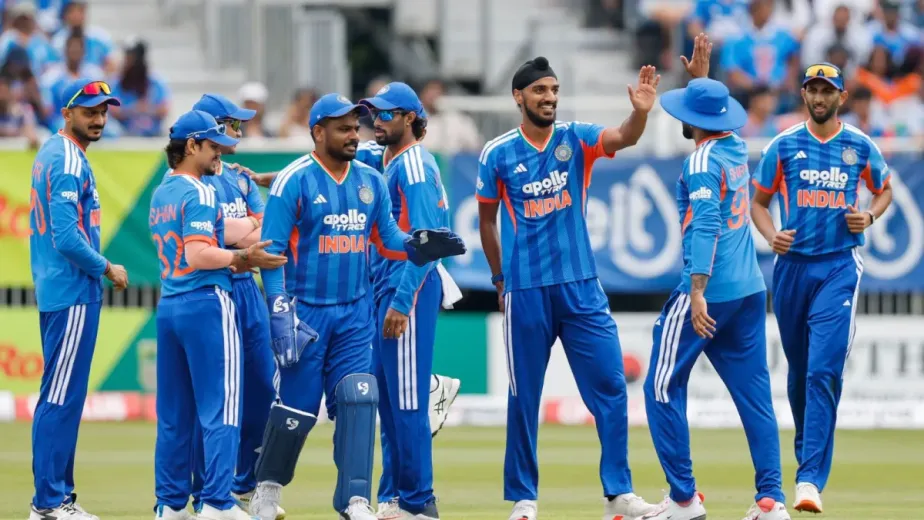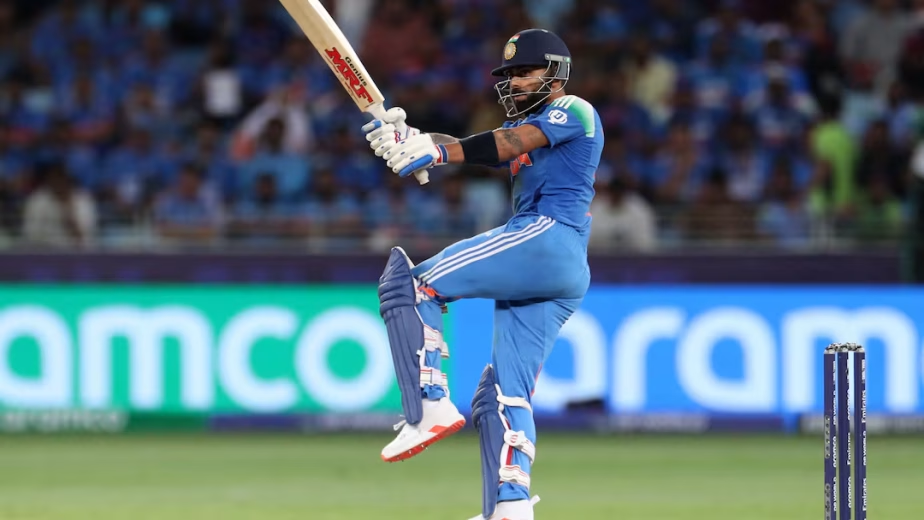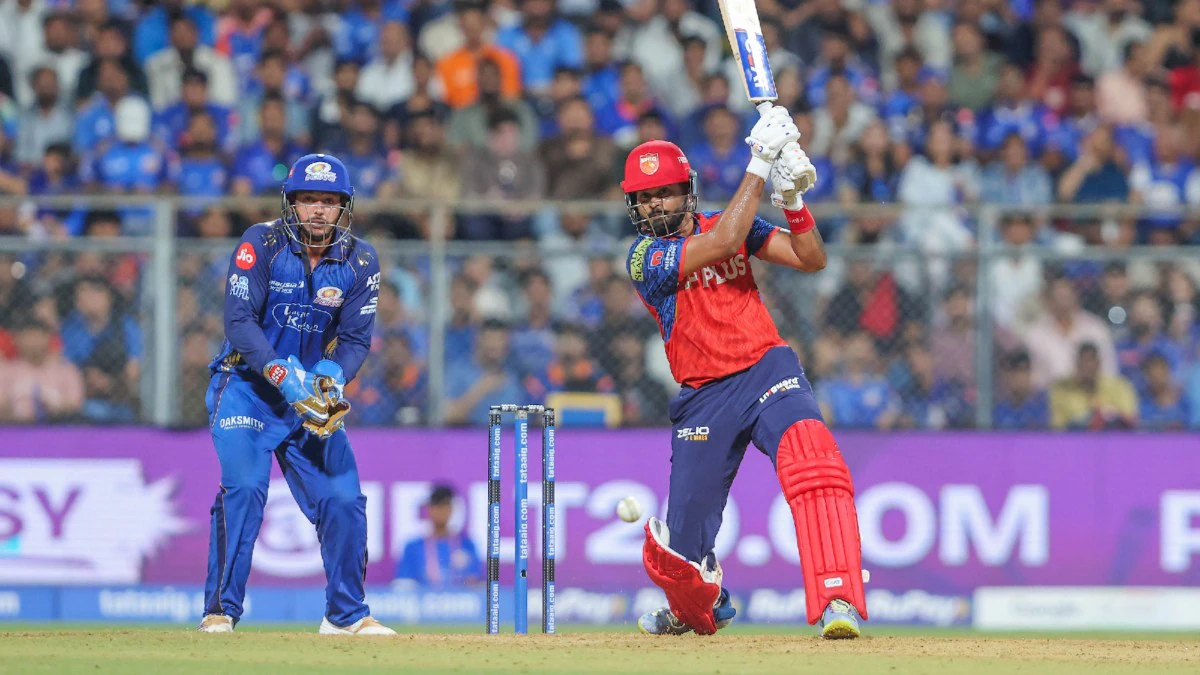
IPL 2026 once again proved why the tournament remains the biggest T20 league in the world. Packed stadiums, global viewership, dramatic finishes, and breakout performances turned the season into another major success story for Indian cricket.
But once the IPL concludes, the focus quickly shifts toward a completely different challenge — international cricket.
For many Indian players, the post-IPL transition is one of the most demanding phases of the cricket calendar. Moving from franchise-based T20 cricket to representing India across Tests, ODIs, and T20Is requires technical adjustments, mental adaptation, workload management, and tactical evolution.
In 2026, this transition has become more important than ever due to India’s packed international schedule and the growing intensity of global cricket competitions.
IPL Has Become India’s Biggest Talent Pipeline
Over the last decade, the IPL has evolved into the primary platform for identifying future Indian stars.
Young players now use the tournament to:
- showcase skills under pressure;
- gain exposure against international opponents;
- adapt to elite-level competition;
- attract national selectors.
Several Indian cricketers who impressed during IPL 2026 are already being discussed as future regulars in the national side.
Strong IPL performances increasingly influence:
- T20I squad selections;
- India A opportunities;
- overseas tours;
- white-ball development plans.
The league’s competitive environment has accelerated player development faster than traditional domestic systems alone.
The Biggest Challenge: Switching Formats
One of the hardest parts of transitioning from IPL cricket to international competition is adapting between formats.
The IPL is built around:
- aggressive batting;
- short tactical windows;
- fast scoring rates;
- entertainment-heavy cricket.
International cricket, especially Tests and ODIs, demands a very different mindset.
Players must adjust to:
- longer innings construction;
- defensive discipline;
- patience under pressure;
- varied pitch conditions;
- international travel schedules.
This adjustment phase often determines whether IPL stars can succeed consistently for India.
Fast Bowlers Face Heavy Workload Pressure
Indian fast bowlers continue to face some of the toughest transitions after the IPL.
The physical demands of:
- back-to-back T20 matches;
- extensive travel;
- high-intensity death overs
can create fatigue before international assignments even begin.
In 2026, workload management has become a major focus for the BCCI and team support staff.
Several players now follow customized recovery programs involving:
- physiotherapy;
- rotation strategies;
- controlled training schedules;
- fitness monitoring technology.
India’s management understands that maintaining player fitness across all formats is critical ahead of major ICC tournaments.
Young Batters Are Adapting Faster Than Ever
One noticeable trend in 2026 is how quickly younger Indian batters are adapting to international cricket.
Modern IPL environments expose players to:
- elite bowling attacks;
- pressure situations;
- global coaching methods;
- advanced analytics.
As a result, emerging players now arrive in the Indian setup with far more T20 experience than previous generations.
Young batters are increasingly comfortable with:
- strike rotation;
- power-hitting;
- pace variation;
- match simulation scenarios.
Several breakout stars from IPL 2026 have already been linked with India’s white-ball squads for upcoming international tours.
Mental Transition Is Equally Important
The mental side of moving from franchise cricket to international cricket is often underestimated.
In the IPL:
- players operate in shorter tournaments;
- dressing rooms include international teammates;
- pressure is shared across franchises.
Playing for India brings:
- national expectations;
- media scrutiny;
- intense fan pressure;
- constant public attention.
Many players struggle initially with the psychological demands of representing the national side consistently.
Sports psychologists and mental conditioning coaches are now playing a much larger role in helping Indian cricketers handle this transition.
Senior Players Continue to Mentor Emerging Talent
One major advantage of the IPL structure is the opportunity for young Indian players to share dressing rooms with world-class veterans.
In 2026, senior Indian stars continued mentoring younger teammates throughout the tournament, helping them prepare for international cricket standards.
Areas where younger players benefit include:
- match preparation;
- tactical awareness;
- recovery routines;
- media handling;
- leadership development.
This mentorship system has become one of the IPL’s biggest long-term contributions to Indian cricket.
Spin Bowlers Are Benefiting From Tactical Evolution
Indian spinners are also evolving rapidly due to the IPL’s tactical environment.
Facing aggressive T20 batting regularly has forced spinners to improve:
- variation control;
- pace manipulation;
- field awareness;
- pressure bowling.
As a result, many young Indian spin bowlers now enter international cricket with advanced tactical maturity.
This evolution has strengthened India’s depth across white-ball formats significantly.
International Scheduling Remains a Challenge
One major issue facing Indian cricket in 2026 is calendar congestion.
Players are now balancing:
- IPL commitments;
- bilateral series;
- ICC tournaments;
- domestic cricket;
- overseas franchise leagues.
The packed schedule increases concerns around:
- burnout;
- injuries;
- mental fatigue;
- inconsistent form.
Cricket experts continue debating whether workload management policies need even stronger enforcement moving forward.
The IPL’s Influence on India’s Future
Despite challenges, IPL 2026 once again demonstrated how deeply the tournament shapes the future of Indian cricket.
The league now functions as:
- a scouting system;
- a development academy;
- a pressure-testing environment;
- a global exposure platform.
For many young cricketers, success in the IPL is now the fastest route toward wearing the Indian jersey.
At the same time, transitioning successfully to international cricket still requires:
- discipline;
- technical adaptability;
- mental strength;
- long-term consistency.
The players who manage that transition effectively are the ones who ultimately become long-term stars for India.
Want more cricket news, IPL analysis, player updates, and international cricket insights? Visit Sky247 Cricket for the latest cricket coverage and expert discussions.