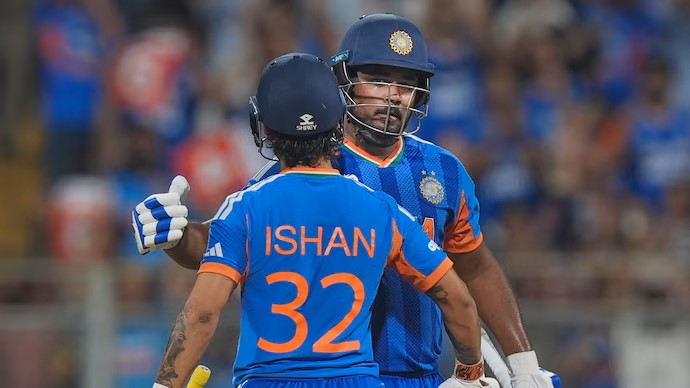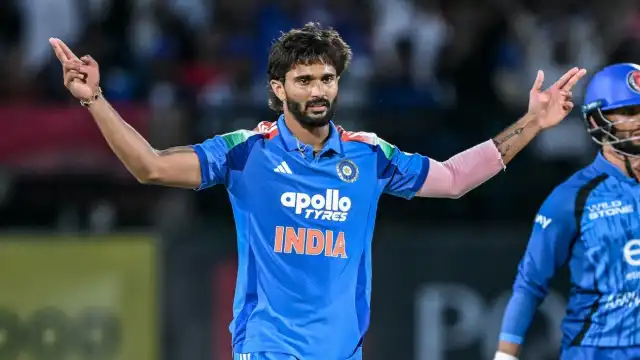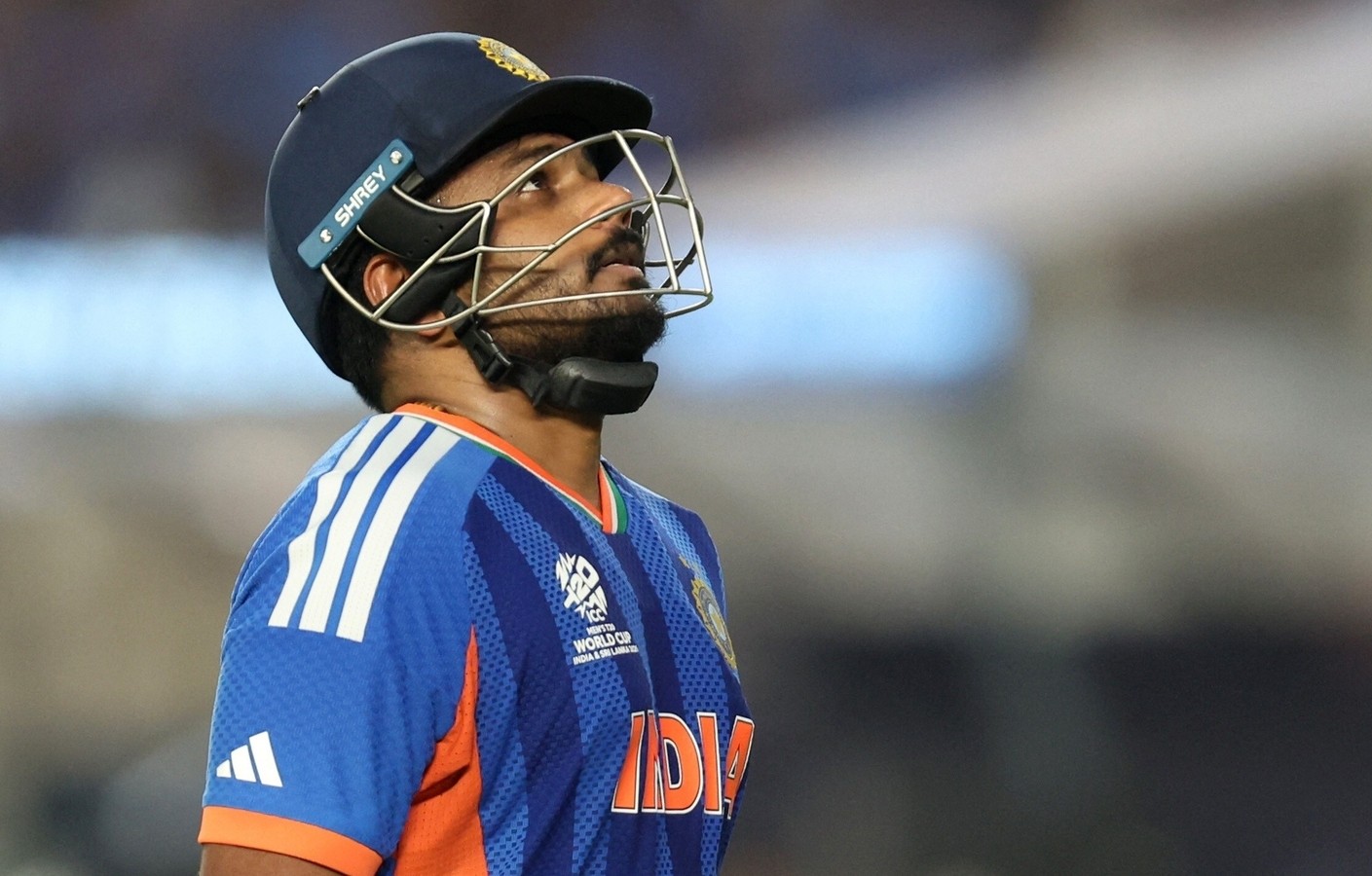
Cricket in India is not one game—it’s three distinct sports played on the same soil. The strategies that win T20 matches would fail in Test cricket. The patience required for a five-day game is useless in a 20-over slogfest. And One Day Internationals (ODIs) sit somewhere in between, demanding a unique blend of aggression and restraint.
For bettors, understanding these strategic differences is essential. You’re not just betting on a team; you’re betting on how well that team adapts its game plan to the format and the conditions. A side packed with Test specialists will struggle in a T20, just as a team of T20 hitters will collapse in a Test match on a turning track.
This guide breaks down how T20, ODI, and Test strategies differ specifically in Indian conditions—and what that means for your betting decisions.
The Common Thread: Indian Pitches
Before diving into formats, understand what unites them: Indian pitches.
Indian wickets are traditionally batting-friendly early, then take spin as the match progresses. In Tests, this means days 1 and 2 are for batting, days 3 and 4 become a spinner’s game, and day 5 is a lottery. In ODIs and T20s, the surface can be prepared to suit either pace or spin, but generally, spinners play a larger role in India than anywhere else in the world.
The heat, humidity, and dew factor (in limited-overs night games) also play significant roles. Dew can make bowling second a nightmare, while heat can drain fast bowlers by the 30th over of an ODI.
Keep these constants in mind as we explore each format.
1. T20 Cricket: Aggression and Match-Ups
The Philosophy
T20 is about maximising every ball. There’s no time to “see off” a bowler or build slowly. From ball one, batters are looking to score. The entire strategy revolves around strike rates and match-ups.
Batting Strategies in Indian T20s
PowerPlay (Overs 1-6): In India, T20 PowerPlays are brutal. Flat pitches and small boundaries mean batters target 50+ runs in the first six overs. Teams send their most explosive openers to capitalise on fielding restrictions. The goal: hit over the infield, clear the boundary, and put the bowling side on the back foot immediately.
Middle Overs (Overs 7-15): This is where Indian conditions change the game. Spinners come on, and the pitch may offer some turn. Smart teams use this phase to rotate strike and pick gaps, rather than going aerial. They target specific bowlers—if a part-timer is bowling, they attack. Against quality spinners, they may look for ones and twos, preserving wickets for the death.
Death Overs (Overs 16-20): The slog fest. Boundaries are the only goal. Teams hold their biggest hitters for this phase. In Indian conditions, if dew is present, batting becomes easier under lights, making the death overs even more dangerous for bowlers.
Bowling Strategies in Indian T20s
Pace Off: In India, slower balls, cutters, and off-pace deliveries are more effective than raw pace. Quicks who rely on bounce struggle on low, slow wickets. Those who can vary their pace and use the yorker at the death thrive.
Spinners as Attackers: Spinners don’t just contain in India—they take wickets. Wrist spinners (like Kuldeep Yadav or Ravi Bishnoi) are gold because they can turn the ball both ways and deceive batters in the air. Finger spinners bowl tight lines and rely on the pitch to do the rest.
Match-Ups: T20 is about bowler vs batter. Left-arm orthodox vs right-hander (the ball turning away). Leg-spinner vs left-hander (the googly threat). Teams analyse data to ensure their bowlers are facing batters they “own” historically.
Betting Angles for T20s in India
- Top Batter Markets: Back openers and No. 3 batters—they face the most balls.
- Most Sixes: Look for batters who target the straight boundaries or have strong match-ups against the opposition’s weaker bowlers.
- Top Bowler: In India, back the spinners. They bowl more overs and take more wickets than quicks in most conditions.
- Team Totals: 180+ is par on most Indian grounds. If dew is forecast, back the team batting second to chase successfully.
2. ODI Cricket: The Art of Building
The Philosophy
ODIs are a game of phases and partnerships. You have time to build, but not unlimited time. The 50-over format demands acceleration at the right moments while avoiding the reckless aggression of T20s.
Batting Strategies in Indian ODIs
Overs 1-10: Similar to T20s but slightly more measured. Openers look to score at 5-6 runs per over while preserving wickets. Boundaries are welcome, but rotating strike is equally important. In Indian conditions, the new ball can sometimes swing early (especially in day games), so respecting the first 10 overs is key.
Overs 11-40: The building phase. This is where ODI strategy differs most from T20. Batters rotate strike, pick gaps, and punish bad balls. A 70-run partnership at 5 an over is gold. In Indian conditions, spinners bowl long spells here, and batters who can work the ball into gaps and run hard between wickets prosper.
Overs 41-50: The slog overs. With 10 wickets in hand, teams aim for 100+ in the last 10. With 5 wickets down, they might target 70-80. In India, flat pitches mean the death overs are as brutal as in T20s. Teams hold their biggest hitters for this phase.
Bowling Strategies in Indian ODIs
Opening Quicks: Their job is to take early wickets or dry up runs. In India, they might bowl only 5-7 overs in the first spell, then return later.
Spin Trios: In Indian conditions, teams often play three spinners. One bowls early to exploit any turn, one bowls through the middle to contain, and one is held back for left-handers or specific match-ups.
Death Bowling: The last 10 overs are brutal. Bowlers who can bowl yorkers, slower balls, and wide yorkers succeed. Those who can’t get smashed.
Betting Angles for ODIs in India
- Top Batter: Look for No. 3 and No. 4 batters—they have time to build big scores.
- Century Scorer: Back players with strong conversion rates (50s to 100s). In Indian conditions, flat tracks mean centuries are common.
- Top Bowler: Spinners dominate. Check which bowlers bowl in the middle overs (most wicket-taking phase).
- Match Totals: 300+ is par on most Indian grounds. If the pitch is flat, over 2.5 team totals are common.
3. Test Cricket: Patience and Pressure
The Philosophy
Test cricket is a war of attrition. It’s about building pressure, waiting for mistakes, and exploiting conditions over five days. In India, this means dominating with spin and batting big in the first innings.
Batting Strategies in Indian Tests
First Innings: Bat once, bat big. 400+ is the target. In Indian conditions, runs on the board are gold because the pitch will deteriorate. Batters look to occupy the crease, tire the bowlers, and score at 3-3.5 runs per over.
Second Innings: If you’re batting last, survival is key. In India, day 4 and 5 pitches turn square. Batters must use their feet to spinners, sweep aggressively, and trust their defence.
Spin Playing: The single most important skill in India. Batters who can use their feet to smother spin, play the sweep shot, and read length early prosper. Those who plant their front foot and hope—fail.
Bowling Strategies in Indian Tests
Spin to Win: In India, spinners bowl 70-80% of overs. Two quality spinners are essential; three is ideal. The strategy is simple: bowl tight lines, let the pitch do the work, and attack with close-in fielders.
Fast Bowlers as Support: Quicks bowl short spells to take the second new ball or exploit reverse swing. In India, they’re support acts, not stars.
Field Placements: Attack, attack, attack. In India, you’ll see close-in catchers, short legs, and silly points. The goal is to create pressure and force mistakes.
Betting Angles for Tests in India
- Top Batter (Match): Back players with strong records in India. Check how they play spin.
- Top Bowler (Match): Almost always a spinner. Check which spinner bowls the most overs—they get the most chances.
- First Innings Lead: In India, winning the toss and batting first is a huge advantage. Back the team batting first to lead after first innings.
- Player Performance: Look for all-rounders who contribute with bat and ball—they’re double threats.
4. Comparative Summary Table
| Aspect | T20 | ODI | Test |
|---|---|---|---|
| Pace | Ultra-aggressive | Phased building | Patient accumulation |
| Batting Target | 180-200 | 300-350 | 400+ (first innings) |
| Key Batters | Openers, finishers | No. 3, No. 4 | Top 5 |
| Key Bowlers | Death specialists, spinners | Middle-over spinners | Specialist spinners |
| Spin Role | Contain & wicket-taking | Build pressure | Primary wicket-takers |
| Pace Role | Variation, yorkers | Early wickets, death | Reverse swing, support |
| Pitch Importance | High (dew factor) | High | Critical (deterioration) |
| Toss Advantage | Moderate (dew) | Moderate | High (bat first) |
5. How Indian Conditions Specifically Affect Each Format
T20s: Dew is King
In night T20s, dew is the biggest factor. When dew settles, the ball becomes wet, spinners can’t grip it, and batting becomes easier. Teams winning the toss often bowl first to exploit any early help, then chase under lights when dew makes batting simple.
Betting Implication: If dew is forecast, back the team batting second. Chasing teams win a high percentage of dew-affected T20s in India.
ODIs: The Middle Overs Battle
In Indian ODIs, the middle overs (11-40) are where matches are won and lost. Spinners dominate, and batters who can rotate strike without taking risks prosper. A team that loses too many wickets in this phase rarely recovers.
Betting Implication: Watch the run rate in overs 11-40. A team scoring at 5+ without losing wickets is on track for 300+. If wickets fall, back the bowling side.
Tests: Days 4 and 5 Are Spinner’s Paradise
In India, Test matches are often decided on days 4 and 5 when the pitch is at its worst. A lead of 150+ in the first innings is often match-winning because batting last becomes nearly impossible.
Betting Implication: Back the team with a strong first-innings lead. In-play betting on day 4 and 5 can be lucrative—if a team is chasing 250+ on a turning track, the odds heavily favour the bowling side.
6. Player Types That Excel in Each Format in India
T20 Specialists
- Batters: Power hitters, six-hitters, players with 150+ strike rates
- Bowlers: Slower-ball specialists, yorker experts, wrist spinners
- Examples: Suryakumar Yadav, Jasprit Bumrah, Ravi Bishnoi
ODI Specialists
- Batters: Accumulators who can accelerate, 360-degree players
- Bowlers: Middle-over spinners, death bowlers
- Examples: Virat Kohli, Shubman Gill, Kuldeep Yadav
Test Specialists
- Batters: Strong defence, excellent against spin, high concentration
- Bowlers: Specialist spinners, reverse-swing quicks
- Examples: Cheteshwar Pujara, Ravi Ashwin, Ravindra Jadeja
All-Format Players (Rare)
- The Elite: Players who can adapt their game to any format
- Examples: Rohit Sharma, Jasprit Bumrah, Rishabh Pant
7. Betting Strategy Summary by Format
T20 Betting Tips for India
- Back openers for top batter markets.
- Back spinners for top bowler markets.
- Consider dew: If dew is likely, back the chasing team.
- Look for match-up advantages: Left-right batting combinations, specific bowler vs batter records.
ODI Betting Tips for India
- Back No. 3 and No. 4 for top batter markets—they have time to build.
- Back middle-over spinners for top bowler markets.
- 300+ is par: If a team is on track for 300+, back them to reach it.
- Watch the powerplays: A strong PowerPlay often predicts a big total.
Test Betting Tips for India
- Bat first, win first: Back the team batting first to lead after first innings.
- Back spinners for top bowler markets—especially in the second innings.
- Look for 150+ leads: A first-innings lead of 150+ is match-winning.
- Day 4 and 5 are gold: In-play betting on the final two days can be highly profitable.
Conclusion: Know the Format, Know the Conditions
Cricket in India is a game of infinite variety. The same pitch that produces a 250-run T20 can host a 600-run Test. The same batter who dominates in ODIs can struggle in T20s. The same bowler who takes wickets in Tests can be smashed in white-ball cricket.
For bettors, success comes from understanding these differences. T20 rewards aggression and match-ups. ODIs reward building and acceleration. Tests reward patience and spin mastery. And Indian conditions add a layer of complexity—and opportunity—to all three.
By matching your betting strategy to the demands of the format and the reality of Indian pitches, you give yourself a genuine edge.
Ready to put your format knowledge to the test and find the best odds for upcoming cricket matches?
Visit Sky247 Cricket now for expert analysis and the best cricket betting markets!