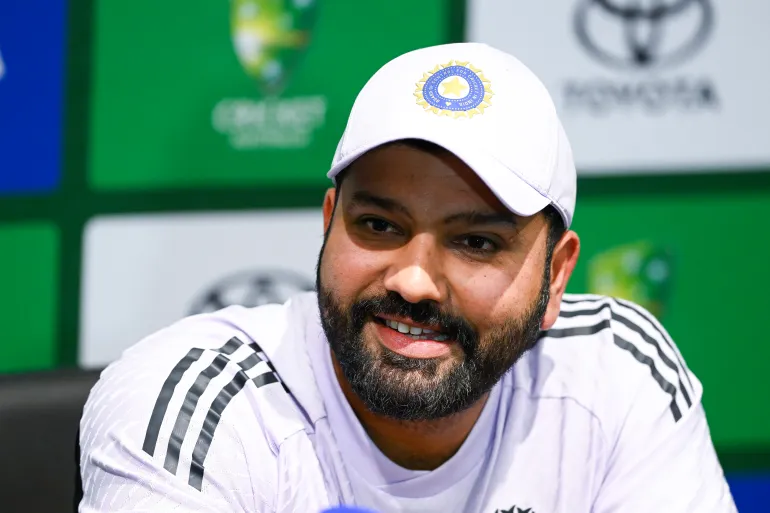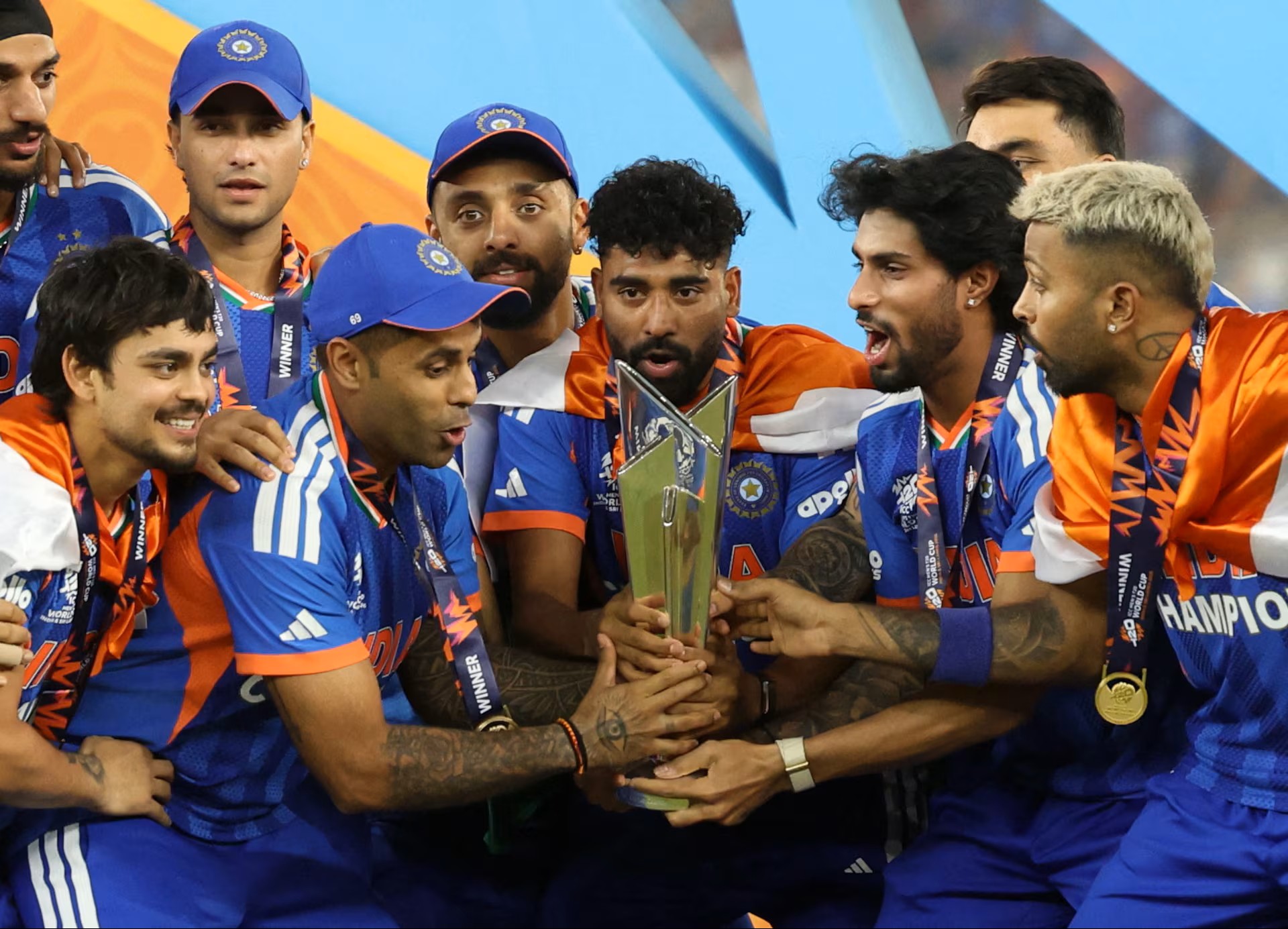
India’s triumph at the ICC Men’s T20 World Cup in 2026 was not just a victory built on individual brilliance—it was a tactical masterclass across the entire tournament. The team combined aggressive batting, disciplined bowling plans, and data-driven match management to dominate opponents in every phase of the game.
From powerplay acceleration to death-over execution, India’s approach reflected the evolution of modern T20 cricket.
This tactical breakdown explores the key strategies that helped India lift the trophy.
Powerplay Dominance: Aggressive Starts Set the Tone
One of the defining features of India’s campaign was its aggressive approach in the powerplay overs.
Openers such as Ishan Kishan and Yashasvi Jaiswal consistently attacked pace bowlers early, ensuring India scored quickly without relying heavily on middle-order recovery.
Key tactical elements included:
- Targeting fast bowlers in the first two overs
- Using innovative shots behind square to exploit field restrictions
- Maintaining a run rate above 9–10 runs per over in the powerplay
This approach allowed India to dictate matches from the start rather than reacting to opposition bowling strategies.
Middle-Overs Control: Smart Rotation and Spin Pressure
Many T20 matches are decided in overs 7–15, where scoring can stagnate and wickets often fall.
India handled this phase with a balanced combination of strike rotation and calculated risk.
Players such as Sanju Samson and Suryakumar Yadav played critical roles in maintaining scoring momentum.
Their tactical approach included:
- Rotating strike against spin
- Targeting specific bowlers rather than attacking every over
- Using sweeps and reverse sweeps to disrupt field placements
This prevented opponents from building pressure during the middle phase of the innings.
Bowling Strategy: Pace and Spin in Perfect Balance
India’s bowling attack was structured to control different phases of the innings.
The pace attack, led by Jasprit Bumrah, focused heavily on yorkers and slower balls during the death overs. Meanwhile, spinners applied pressure during the middle overs.
India’s key bowling tactics included:
- Early swing attacks with new-ball seamers
- Wrist-spin and finger-spin combinations in the middle overs
- Variation-heavy death bowling
All-rounders such as Axar Patel provided flexibility by contributing both with the ball and in lower-order batting situations.
This balance allowed India to adapt to different pitch conditions throughout the tournament.
Data-Driven Matchups and Field Placements
India’s tactical success was also rooted in detailed pre-match analytics.
The team management relied heavily on matchup data to determine bowling changes and field placements.
Examples of this strategy included:
- Using left-arm spin against right-hand heavy batting orders
- Setting deep square and third-man traps for aggressive cutters
- Deploying short-fine leg for batters who frequently attempt scoop shots
These analytical decisions often forced opponents into uncomfortable scoring zones.
Finishing Power in the Death Overs
Modern T20 cricket demands explosive finishing ability, and India excelled in the final overs of the innings.
Players like Hardik Pandya and Samson frequently accelerated after the 16th over, turning competitive totals into match-winning scores.
India’s death-over batting strategy focused on:
- Targeting shorter boundaries
- Pre-meditated hitting against slower deliveries
- Using deep crease positioning to access different angles
This late-innings acceleration often added 30–50 extra runs, placing immense pressure on opposition teams during run chases.
Fielding and Fitness: The Hidden Advantage
While batting and bowling received most of the headlines, India’s fielding standards were equally critical.
Athletic fielders such as Ravindra Jadeja and Kishan saved valuable runs and created wicket opportunities through sharp catches and direct hits.
The team focused heavily on:
- Boundary-riding fielders cutting off fours
- Quick relay throws from deep positions
- Aggressive inner-ring fielding to stop singles
In high-scoring T20 matches, saving even 10–15 runs can significantly impact the final result.
Leadership and Tactical Flexibility
India’s leadership group demonstrated strong tactical awareness throughout the tournament.
Captain Rohit Sharma consistently adapted strategies based on pitch conditions, opposition strengths, and match situations.
Important leadership decisions included:
- Rotating bowlers strategically during partnerships
- Holding back key bowlers for specific matchups
- Promoting aggressive batters up the order when required
This flexibility allowed India to stay ahead tactically in nearly every match they played.
What India’s Victory Means for the Future of T20 Cricket
India’s success in the 2026 T20 World Cup reflects the modern blueprint for winning global T20 tournaments:
- Explosive powerplay batting
- Versatile all-rounders
- Data-driven bowling matchups
- Elite fielding standards
As franchise leagues and international competitions continue to evolve, teams around the world will likely adopt many of these tactical elements.
For cricket fans and analysts, the tournament also highlighted the next generation of Indian stars ready to dominate world cricket.
Follow Cricket Insights and Betting Opportunities
Want deeper match analysis, predictions, and cricket betting insights for upcoming international matches and leagues?
Visit Sky247 Cricket for expert previews, updated odds, and detailed cricket coverage throughout the global cricket calendar.