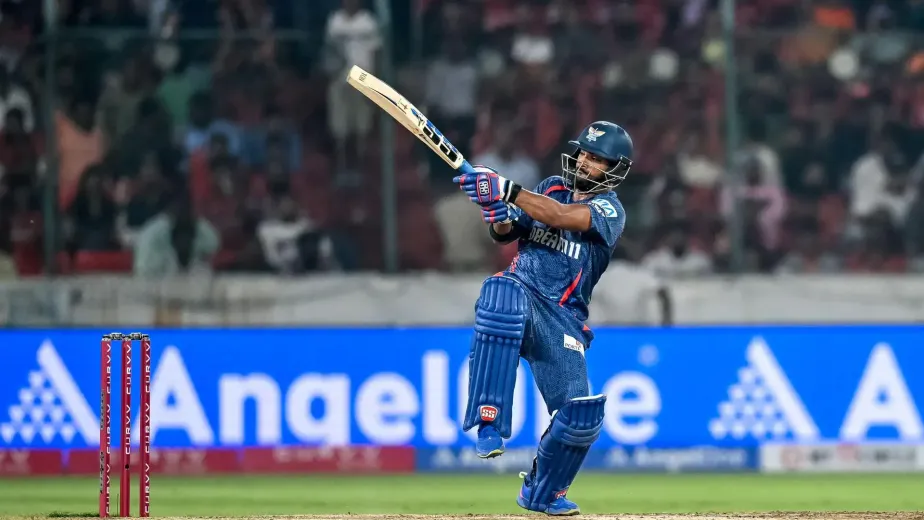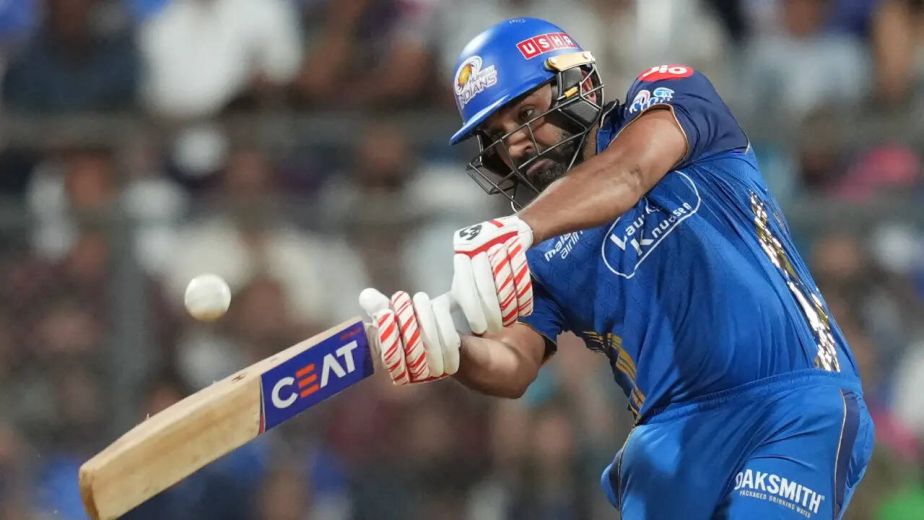
Every IPL star has a backstory. Before the crores, the endorsements, and the millions watching on television, there were dusty maidans, long bus rides to district matches, and the quiet determination of a teenager trying to get noticed.
The IPL doesn’t produce talent out of thin air. It is the final destination of a long, structured pipeline that begins at the grassroots – in state cricket associations, district leagues, and local tournaments. Understanding this pipeline not only deepens your appreciation of the game but also helps you spot emerging talent before they become household names.
This guide maps the journey from local leagues to the IPL, breaking down how state cricket calendars operate and why they are the lifeblood of Indian cricket.
1. The Structure of Domestic Cricket in India
Before talent reaches the IPL, it must pass through India’s elaborate domestic cricket system. Here’s the hierarchy:
| Level | Competition(s) | Governing Body |
|---|---|---|
| National | IPL (Indian Premier League) | BCCI |
| Zonal | Deodhar Trophy, Zonal T20s | BCCI |
| State (Elite) | Ranji Trophy (first-class), Vijay Hazare Trophy (List A), Syed Mushtaq Ali Trophy (T20) | State associations under BCCI |
| State (Age-group) | Cooch Behar Trophy (U-19), Vinoo Mankad Trophy (U-16), etc. | State associations |
| District / Local | District leagues, local tournaments (e.g., KSCA, TNCA leagues) | District cricket associations |
The IPL sits at the top, but it relies entirely on the levels below it for talent. Without a strong domestic structure, the IPL would not exist.
2. The State Cricket Calendar – A Year in the Life
Each state association runs a packed calendar that spans the entire year. Here’s a typical 12‑month cycle (varies slightly by state):
| Period | Competition | Format | What’s at Stake |
|---|---|---|---|
| August – September | Pre-season trials & district selection | – | Players get picked for state probables |
| October – December | Ranji Trophy (first half) | First-class (4 days) | Premier domestic red‑ball competition |
| January – February | Ranji Trophy (knockouts + final) | First-class | National champion crowned |
| February – March | Vijay Hazare Trophy | List A (50 overs) | 50‑over national championship |
| April – May | Syed Mushtaq Ali Trophy | T20 | Premier domestic T20 competition |
| June – July | Age-group tournaments (U-19, U-16, etc.) | Various | Future talent identification |
| July – August | Local district leagues | Various | Grassroots cricket |
State associations like Mumbai Cricket Association (MCA), Karnataka State Cricket Association (KSCA), Tamil Nadu Cricket Association (TNCA), and Delhi & District Cricket Association (DDCA) run the most robust calendars, producing the highest number of IPL players.
3. How Local Leagues Feed the System
Below the state level, local leagues are where talent is first spotted. These tournaments are often played on humble grounds with modest facilities, but they are the true incubators of Indian cricket.
Major Local League Structures by State
| State | Premier Local League | Notable Clubs / Teams |
|---|---|---|
| Mumbai | Kanga League, Times Shield | Islam Gymkhana, Parsee Gymkhana, MIG Cricket Club |
| Karnataka | KSCA Group I, II, III | Bangalore United, Jawans, Hubli Tigers |
| Tamil Nadu | TNCA First Division, Second Division | Alwarpet, Grand Slam, Jolly Rovers |
| Delhi | DDCA Premier League | Sonnet Club, Delhi Blues |
| Bengal | CAB First Division | Bhowanipore, Taltala, Kalighat |
| Hyderabad | HCA A1 Division | Deccan Chronicle, Sportive |
| Punjab | PCA First Division | PAU, Khalsa, GNPS |
How a Player Moves Up
- School / club level: Play in district or local club tournaments.
- Age‑group state trials: Selected for U-16 or U-19 state camps.
- State age‑group tournaments: Represent state in Cooch Behar Trophy (U-19) etc.
- Senior state trials: Selected for Ranji Trophy probables.
- Ranji Trophy debut: First-class cricket for the state.
- IPL auction / draft: If a player performs well in the Syed Mushtaq Ali Trophy (domestic T20) or catches a scout’s eye, they enter the IPL player pool.
This pipeline takes years. Most IPL players spend 5–10 years in the domestic system before their first IPL contract.
4. Key State Associations That Dominate IPL Talent Production
Not all states produce IPL players equally. Based on data from the last five IPL seasons, these states have supplied the most players:
| State Association | Notable IPL Players Produced | Strength |
|---|---|---|
| Mumbai | Rohit Sharma, Shreyas Iyer, Prithvi Shaw, Sarfaraz Khan | Batting depth, technical soundness |
| Karnataka | Virat Kohli (raised), KL Rahul, Manish Pandey, Mayank Agarwal | All‑format players |
| Tamil Nadu | Ravichandran Ashwin, Dinesh Karthik, Washington Sundar, T. Natarajan | Spin bowling, smart cricketers |
| Delhi | Rishabh Pant, Virender Sehwag (past), Ishant Sharma | Attacking batting, pace bowling |
| Punjab | Shubman Gill, Yuvraj Singh (past), Arshdeep Singh | Power hitting, left‑arm seam |
| Bengal | Mohammed Shami, Wriddhiman Saha | Fast bowling, wicket‑keeping |
| Hyderabad | Mohammed Siraj, Ambati Rayudu (past) | Pace bowling, versatile batsmen |
A player’s state of origin often shapes their cricketing identity – Mumbai’s technical rigour, Punjab’s power game, Tamil Nadu’s spin intelligence.
5. The Role of the Syed Mushtaq Ali Trophy
The Syed Mushtaq Ali Trophy (SMAT) is India’s premier domestic T20 competition. It is the single most important pathway to the IPL.
- When: Typically played in April–May
- Format: T20
- Teams: 38 state teams (all BCCI affiliates)
- IPL relevance: Scouts from all 10 IPL franchises attend SMAT matches. A strong performance here – especially a consistent run of big scores or wicket‑taking spells – can lead directly to an IPL contract.
Many IPL stars were first noticed in SMAT: T. Natarajan (TN), Rahul Tewatia (Haryana), Varun Chakravarthy (Tamil Nadu).
6. How IPL Scouts Identify Talent
IPL franchises employ full‑time scouting teams. Their job is to watch domestic cricket – from Ranji Trophy to local club matches – and identify players who have the potential to succeed at the IPL level.
What Scouts Look For
| Attribute | Why It Matters |
|---|---|
| Temperament | Can the player handle pressure? (Tested in Ranji Trophy knockouts) |
| Skill under match conditions | Not just net sessions – how do they perform when it counts? |
| Fitness | Can they field, run between wickets, and recover quickly? |
| Versatility | Can a batsman bat at different positions? Can a bowler bowl in powerplay and death? |
| X‑factor | Something unique – pace, spin variation, power hitting, athletic fielding |
Notable Scout Discoveries
- Jasprit Bumrah: Scouted from a local T20 game in Gujarat before his Ranji debut.
- Rashid Khan: Identified playing for Afghanistan U-19 by Sunrisers Hyderabad scouts.
- Umran Malik: Spotted by SRH scouts while playing local club cricket in Jammu.
7. State Calendars and the IPL Auction Cycle
The domestic calendar directly impacts IPL auction strategy. Here’s how franchises plan:
| Time of Year | Domestic Activity | IPL Team Action |
|---|---|---|
| October – March | Ranji Trophy, Vijay Hazare Trophy | Scouts watch first‑class and 50‑over matches for technical soundness |
| April – May | Syed Mushtaq Ali Trophy (SMAT) | Primary scouting window for T20 talent |
| June – July | IPL season (ongoing) | Teams assess current squad needs |
| August – September | Domestic off‑season; local leagues | Scouts watch district matches for raw talent |
| December | IPL retention lists announced | Teams decide who to keep |
| Late December | IPL auction | New talent enters the league |
A breakout SMAT season in April–May can lead to an IPL contract in December – just 6‑8 months later.
8. Case Study: The Journey of an IPL Player
Let’s trace the path of a hypothetical player, Rohan Sharma, from local leagues to the IPL:
| Age | Level | Achievement |
|---|---|---|
| 14 | School cricket | Selected for district U-16 trials |
| 15 | District U-16 | Top scorer in district tournament; selected for state U-16 camp |
| 16 | State U-16 (Vijay Merchant Trophy) | Consistent performer; named captain |
| 17 | State U-19 (Cooch Behar Trophy) | Scored 800+ runs in season |
| 19 | Senior state trials | Selected for Ranji Trophy probables list |
| 20 | Ranji Trophy debut | Scored 50 on debut |
| 21 | Syed Mushtaq Ali Trophy | 400+ runs in T20 season, strike rate 160+ |
| 22 | IPL auction | Picked by a franchise for ₹50 lakh |
| 23 | IPL debut | First match in front of 50,000 fans |
This journey takes 8‑9 years of consistent performance. There are no shortcuts.
9. Challenges in the Domestic System
Despite its success, the state cricket system faces several challenges:
- Overcrowded calendar: Players often struggle with workload management across formats.
- Limited visibility for smaller states: Players from Assam, Tripura, or Jharkhand have fewer scouting eyes on them.
- Pitch quality variation: Batting on a green top in Dharamsala vs. a flat deck in Mumbai produces different performance metrics.
- Financial pressure: Not all state associations pay well; many players work second jobs.
The BCCI has addressed some of these issues by increasing match fees, improving infrastructure, and mandating equal prize money across men’s and women’s domestic cricket.
10. How to Follow State Cricket as a Fan
If you want to spot future IPL stars before they become famous, follow the domestic circuit:
- Livestreams: BCCI streams many Ranji Trophy and SMAT matches on its official platform.
- Scorecards: Cricbuzz and ESPNcricinfo cover domestic matches in detail.
- Social media: Follow state association handles for team announcements and match updates.
- Local matches: If you live in a major city, attend a local league match – you might watch a future IPL star for free.
11. Betting Insights: Spotting Domestic Talent Early
For punters, understanding the domestic pipeline offers an edge:
- Watch SMAT performances: A player who dominates SMAT in April–May is likely to attract IPL interest.
- Follow state selection news: New players added to state probables lists often have breakout seasons.
- Check age‑group records: Players who excelled in U-19 often transition well to senior cricket.
- Monitor injuries: A state player recovering from injury may be undervalued in IPL auctions.
Sky247 Cricket provides comprehensive coverage of domestic cricket, including player stats and form guides that can inform your IPL season bets.
12. The Future of Domestic Cricket in India
The BCCI continues to invest in the domestic structure. Upcoming changes include:
- More T20 matches: The SMAT may expand to give more players exposure.
- Player contracts: State associations are moving toward annual retainers for top players.
- Technology integration: Ball tracking, data analytics, and scouting software are becoming standard.
- Women’s domestic expansion: The women’s state calendar is growing rapidly, feeding into the WPL (Women’s Premier League).
Conclusion
The IPL is the glittering surface, but the real work happens below – in state cricket associations, local leagues, and district grounds across India. Every six hit in the IPL was first practised on a modest net somewhere. Every yorker delivered at 150 kph was perfected in a Ranji Trophy match with a handful of spectators.
Understanding this pipeline gives fans a deeper appreciation of the game and helps punters spot emerging talent before the market catches on. The next IPL superstar is right now playing a local league match, dreaming of the big stage.
Want to stay ahead of the game and spot IPL talent before they become stars?
Sky247 Cricket brings you comprehensive coverage of domestic cricket, player stats, and expert insights to inform your betting strategy.
👉 www.sky247cricket.com
Follow the journey from local leagues to the IPL – and bet smarter along the way.
Cricket ka apna game – Sky247 Cricket par! 🏏🇮🇳📈